The Correct Order to Renovate a House, Step by Step
Renovating rooms in the wrong order is one of the most expensive mistakes a homeowner can make, not because any individual step is wrong, but because later work damages earlier work. Painting before drywall is finished, installing flooring before the plumbing rough-in is done, cabinetry before walls are painted, each one means redoing something that was already finished. Here is the sequence that avoids that.
The Correct Renovation Order

1. Demolition and Site Prep
Removing what's being replaced, old cabinetry, flooring, fixtures, or walls coming out, happens first and clears the space for everyone else to work.
2. Structural and Framing
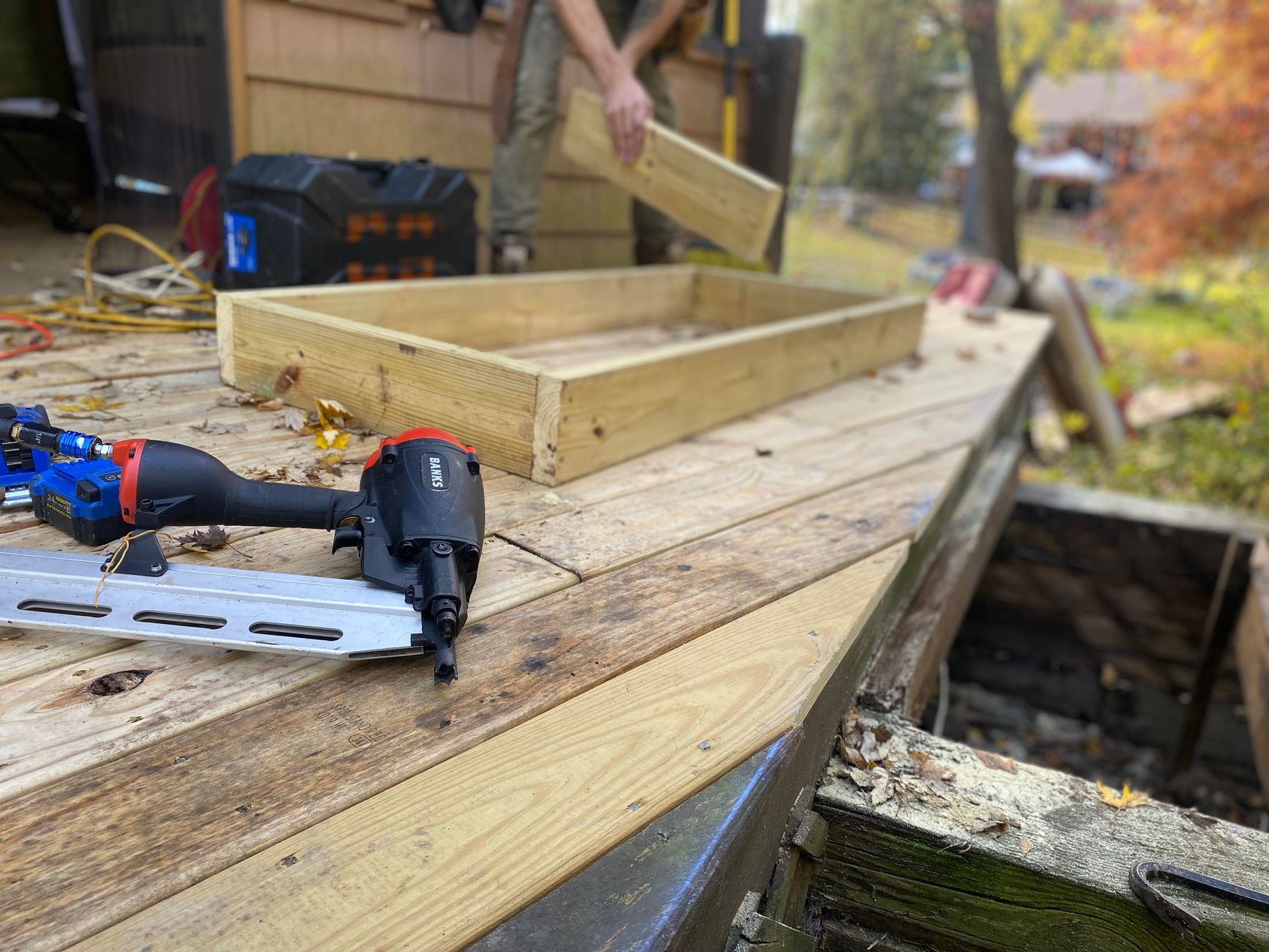
Any wall removal, new framing, or structural changes happen next, while the space is still open and before mechanical systems are run through it.
3. Plumbing, Electrical, and HVAC Rough-In
Supply lines, drain lines, wiring, and ductwork get run through open walls and ceilings before anything closes them in. This is also when permits and inspections for these systems happen.
4. Insulation and Drywall
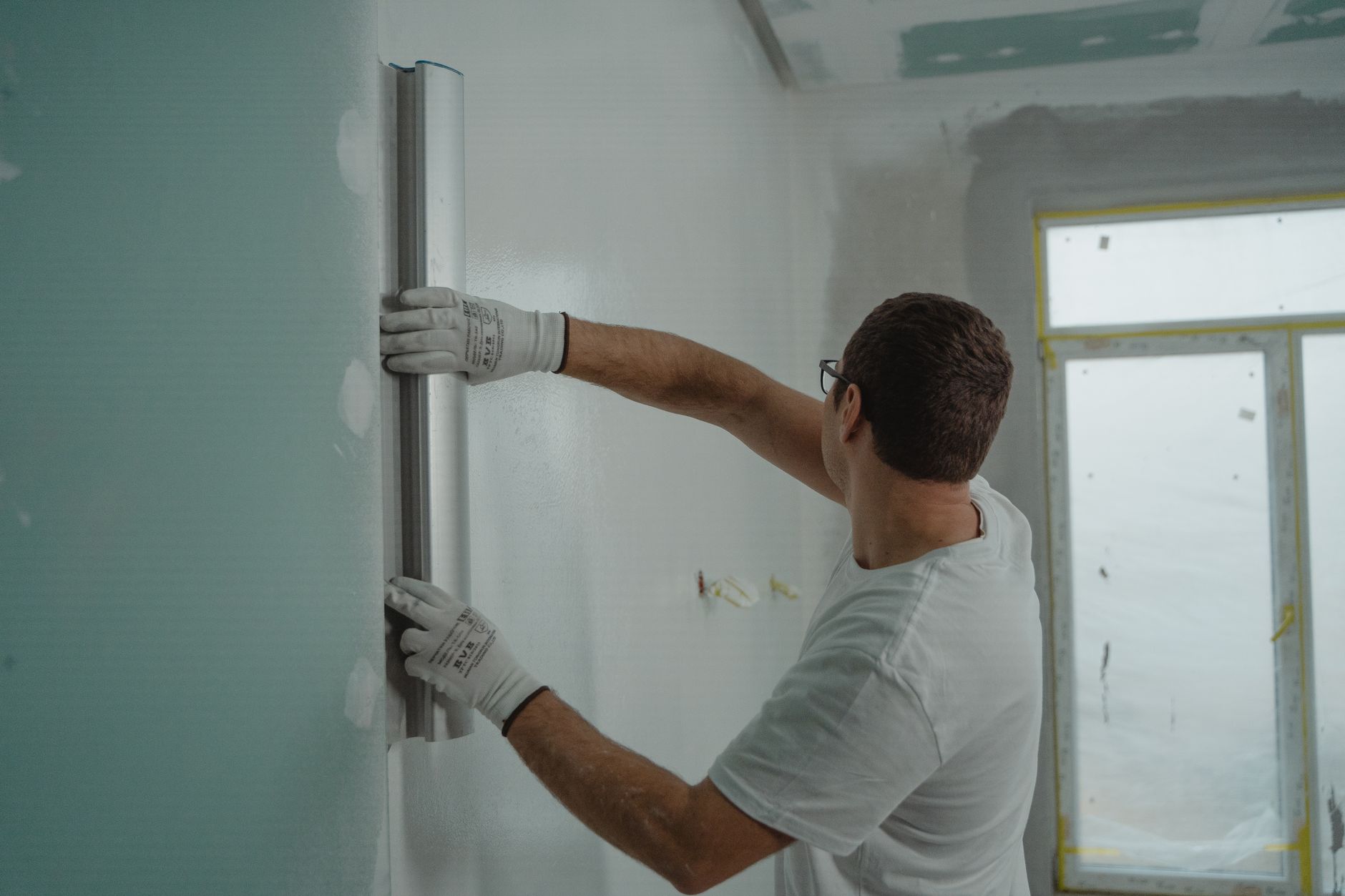
Once rough-in passes inspection, insulation goes in and walls get closed up with drywall, taped, and sanded.
5. Paint (First Coat) and Cabinetry
An initial coat of paint goes on before flooring to avoid drips and splatter on new floors. Cabinetry gets installed around this stage too, since it needs finished walls behind it.
6. Flooring
Flooring goes in after the messiest trades are done, protecting it from the dust, debris, and foot traffic of earlier work. Installing it earlier is one of the most common and costly sequencing mistakes.
7. Trim, Fixtures, and Final Finishes
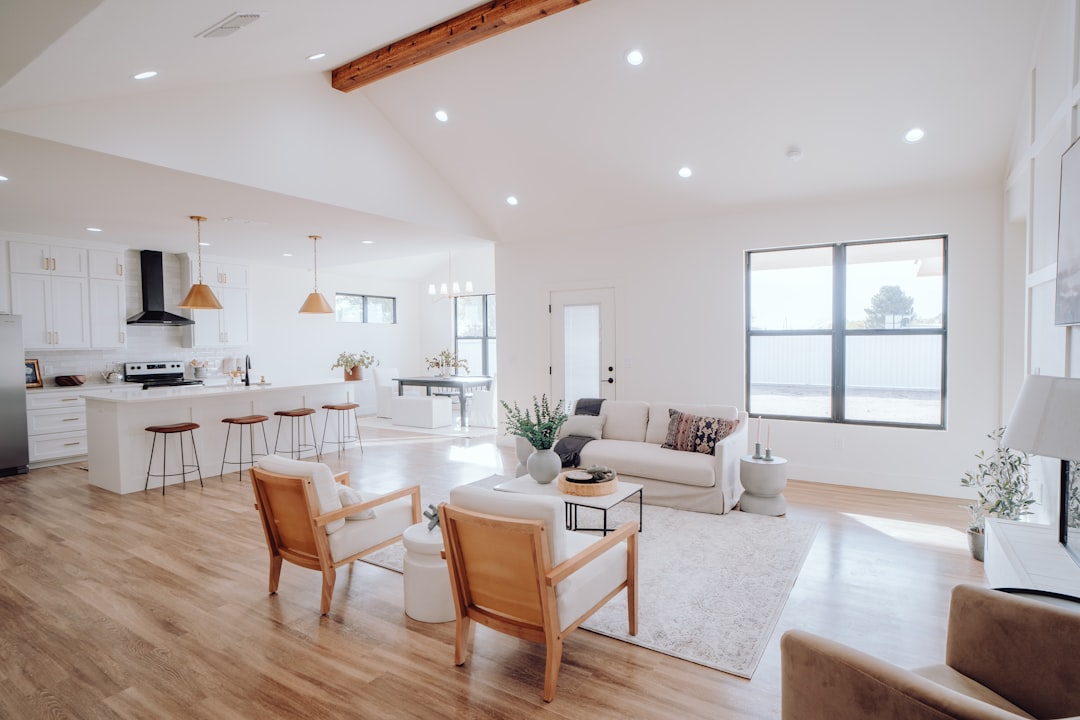
Baseboards, door casings, light fixtures, hardware, and final touch-up paint go in last, once the floor is protected and every other trade is finished.
Why Sequencing Mistakes Are So Costly
Each step in this order exists to protect the step before it. Installing flooring before painting means paint drips ruin it. Installing cabinetry before drywall is finished means redoing the drywall around it. Every out-of-order step usually means paying to redo something that was already complete, not just paying for the step itself. This is one of the most common remodeling mistakes to avoid, and it is entirely preventable with a detailed schedule going in.
Staying on Sequence
A detailed, phase-by-phase schedule from your contractor before work begins is what keeps a renovation on this order. If you are pricing out a project, our renovation cost guide walks through how sequencing and scope both affect the total budget.
Request a free estimate and we will build a sequenced, phase-by-phase plan for your renovation before any work begins.