Flooring has a bigger visual impact per dollar than almost any other remodeling category, since it runs through nearly every room and sets the tone for everything else in the space. Getting it right depends as much on proper subfloor preparation as it does on the material you choose, which is why flooring installed without addressing an uneven or damaged subfloor tends to fail early.
Flooring Materials We Install
Solid Hardwood
Solid hardwood offers the longest lifespan and can be refinished multiple times over decades, making it a strong long-term investment for living rooms, bedrooms, and dining areas with moderate moisture exposure.
Engineered Hardwood
Engineered wood offers the look of hardwood with better dimensional stability, making it a better fit for basements and homes with more humidity fluctuation than solid hardwood tolerates well.
Luxury Vinyl Plank
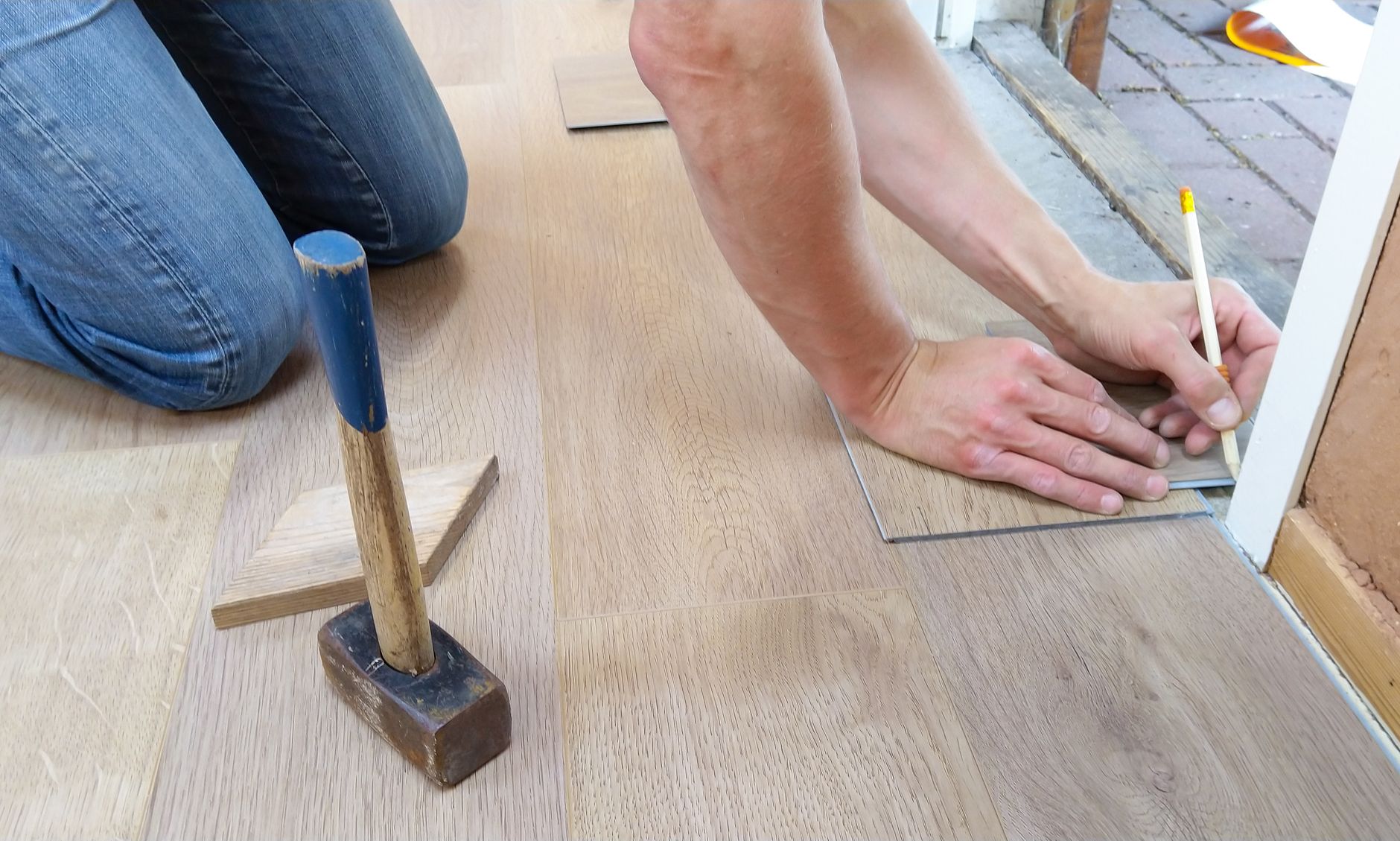
Luxury vinyl plank has become one of the most requested flooring materials due to its water resistance, durability, and lower cost relative to hardwood, making it a strong fit for kitchens, bathrooms, and homes with pets.
Tile
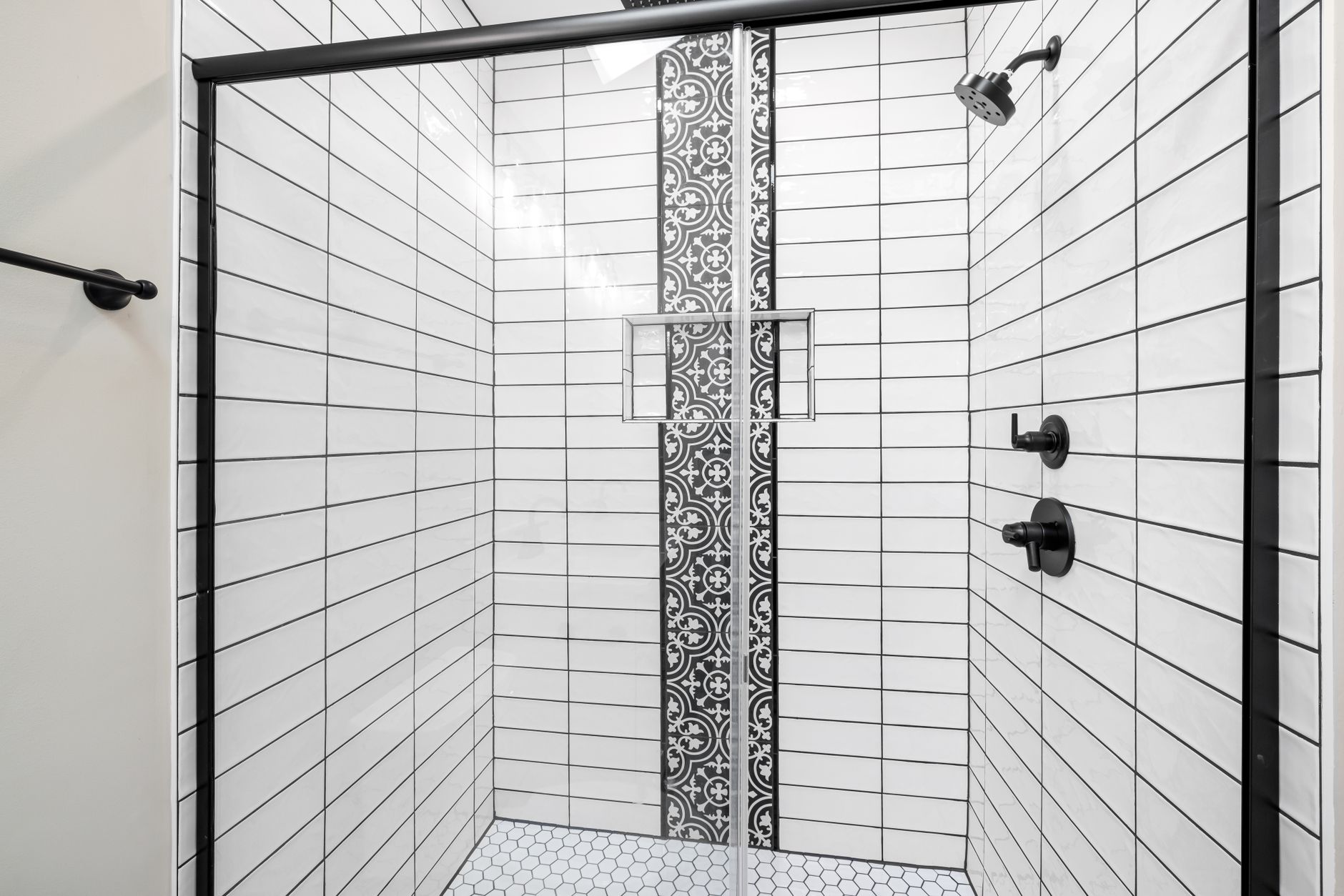
Porcelain and ceramic tile remain the standard for bathrooms and other wet areas, offering the best water resistance of any flooring category along with a wide range of design options.
Carpet
Carpet is still requested for bedrooms and some living spaces where comfort underfoot outweighs the durability advantages of hard flooring, particularly in colder climates.
Why Subfloor Preparation Matters
Flooring installed over an uneven, damaged, or moisture-compromised subfloor will fail well before its expected lifespan, regardless of material quality. We assess subfloor condition during the initial consultation and address any issues, leveling, moisture barriers, or damaged sections, before installation begins rather than treating it as an afterthought.
Flooring Cost Factors
- Material choice. Price per square foot varies significantly between vinyl plank, engineered wood, solid hardwood, and natural stone tile.
- Subfloor condition. Repair or leveling work adds cost but prevents premature flooring failure.
- Room complexity. Cutting around cabinetry, stairs, and transitions adds labor relative to open rectangular rooms.
- Removal of existing flooring. Removing old tile or glued-down flooring adds labor compared to installing over an already-prepped subfloor.
See our breakdown of how remodel budgets work for how flooring fits into a broader room or whole-home remodel budget.
Choosing Flooring by Room
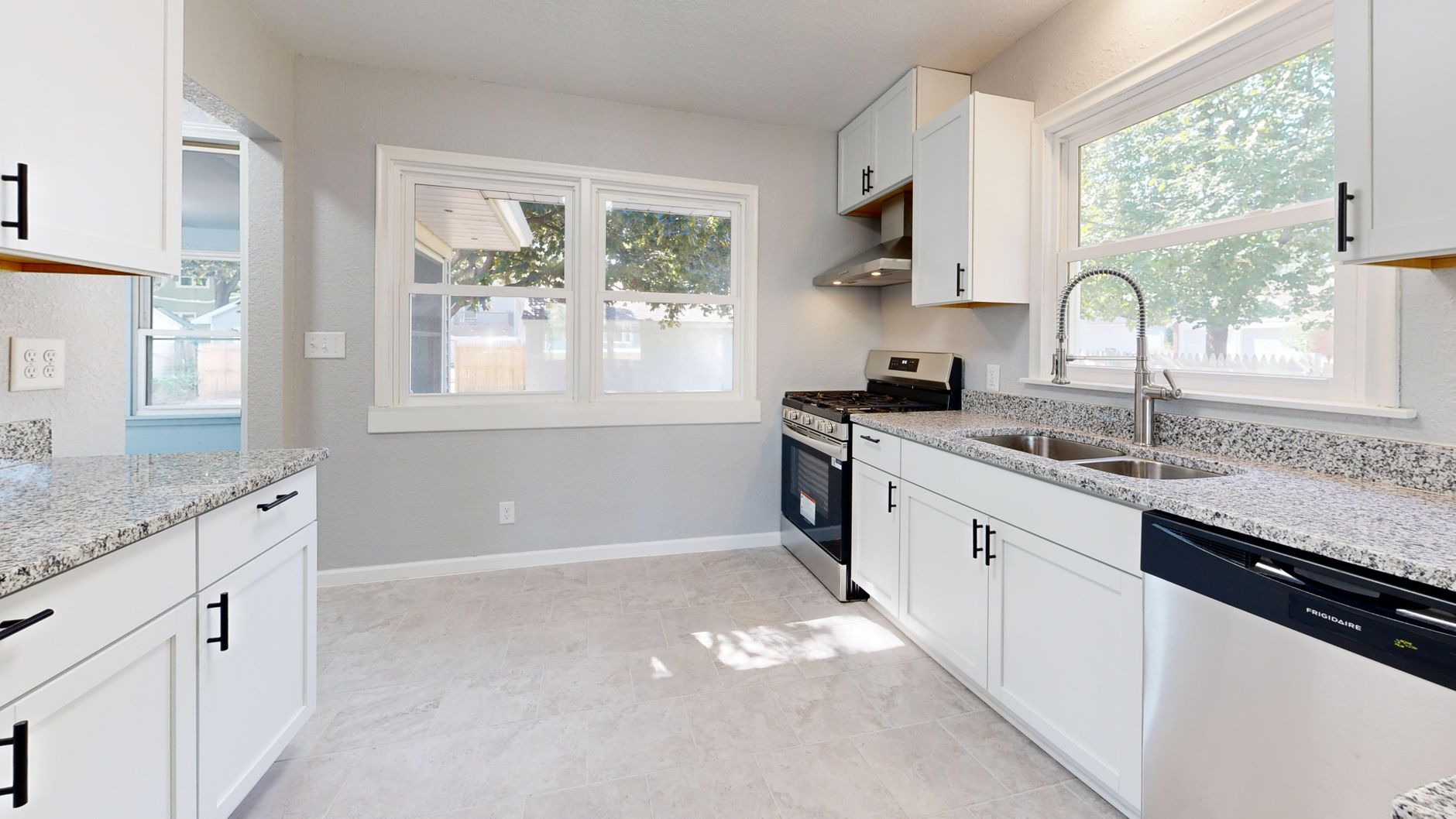
Different rooms have different flooring priorities: water resistance in kitchens and bathrooms, durability and comfort in living rooms, and softer materials in bedrooms. We help you match material to room rather than applying the same flooring everywhere by default, unless a consistent look throughout the home is specifically what you want.
Start Your Flooring Project
Whether you are updating one room or replacing flooring throughout your home, a free consultation lets us assess your subfloor and walk you through material samples suited to your space.
Request a free estimate and we will help you choose flooring that holds up to how your household actually lives.